Introduction
A customer searching for your business online can form an opinion within seconds. Before making a purchase, booking an appointment, or requesting a quote, most people check reviews, ratings, social media activity, and search engine results. What they find often determines whether they choose your business or move to a competitor.
This is why online reputation management has become an essential part of modern business growth. A strong reputation helps build trust, improve customer confidence, and increase conversions. On the other hand, unmanaged reviews, negative feedback, or outdated information can create barriers that prevent potential customers from taking action.
Businesses that actively manage their online presence are often better positioned to attract customers, strengthen credibility, and maintain long term success.
- What Is Online Reputation Management?
- Why Online Reputation Matters More Than Ever
- Key Components of Effective ORM Services
- Benefits of Brand Reputation Management
- Review Management Services and Customer Trust
- Common Reputation Challenges Businesses Face
- Best Practices for Online Reputation Management
- Mini Case Study
- Frequently Asked Questions
- Conclusion
- Call To Action
What Is Online Reputation Management?
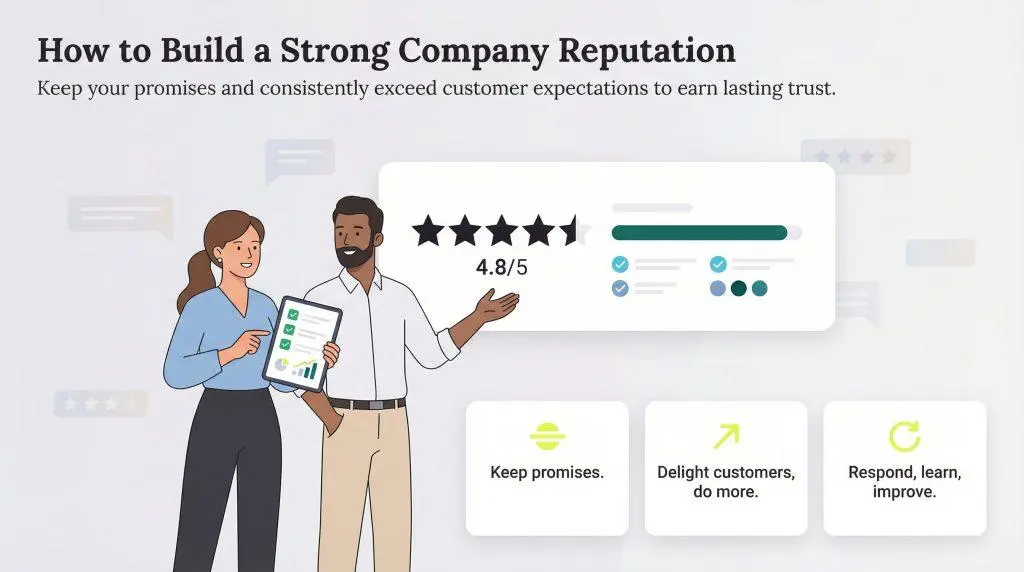
Online reputation management is the process of monitoring, influencing, and improving how a business, brand, or individual is perceived online.
It involves tracking customer reviews, responding to feedback, managing brand mentions, improving search visibility, and ensuring that accurate information is available across digital channels.
A successful reputation strategy focuses on building trust rather than simply reacting to problems.
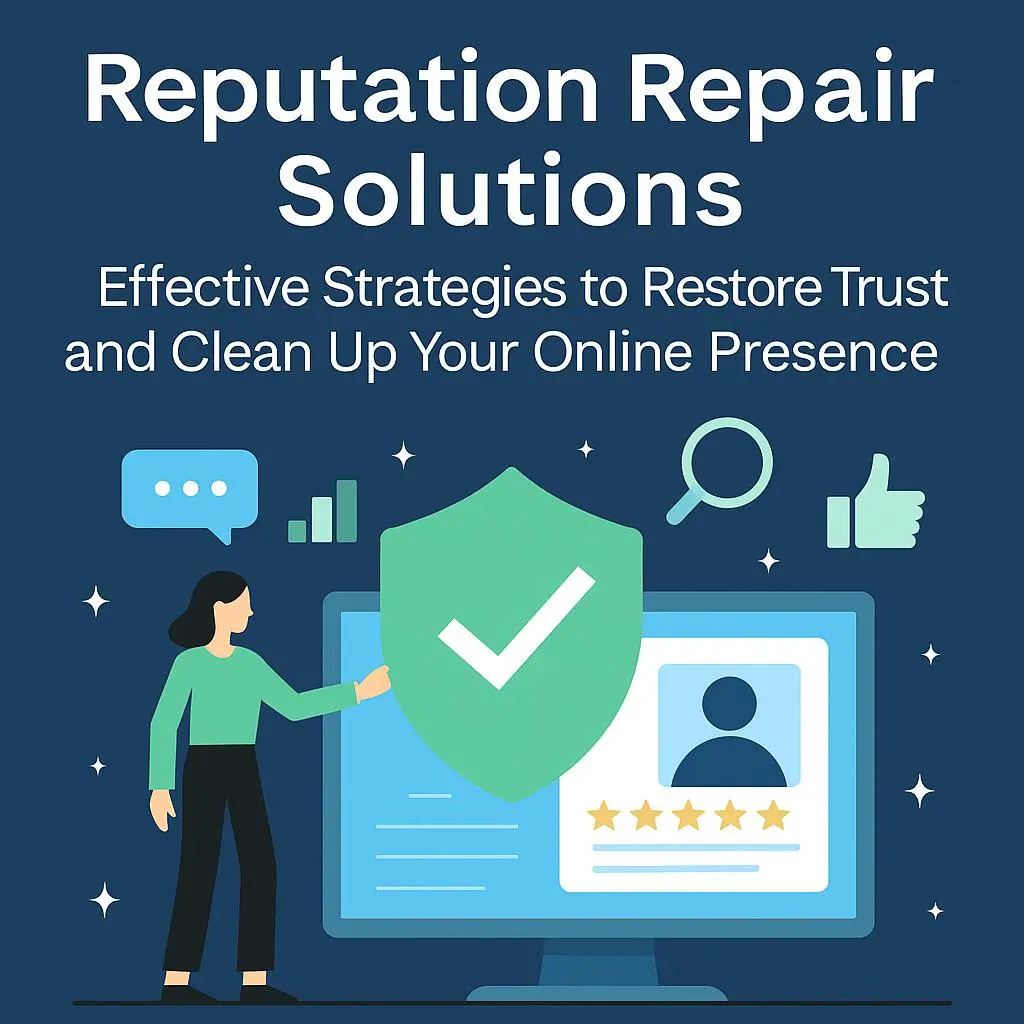
Reputation Monitoring
Tracking reviews, comments, social media discussions, and online mentions.
Search Visibility Management
Helping positive and relevant content appear more prominently in search results.
Supports Brand Authority
A positive reputation helps position a company as a trusted option within its industry.
Industry Insight
Many businesses focus heavily on advertising while overlooking reputation management. However, even the best marketing campaign may struggle if potential customers encounter negative reviews that have never been addressed.
Key Components of Effective ORM Services
Successful ORM services involve multiple strategies working together to strengthen credibility and improve public perception.
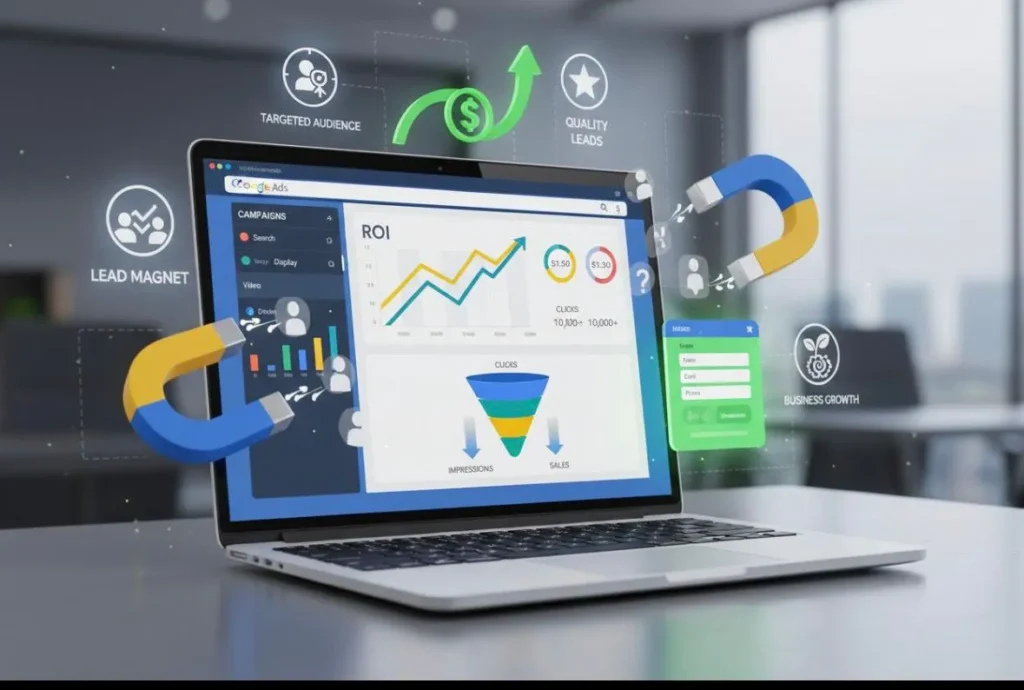
Review Monitoring
Keeping track of customer feedback across review platforms.
Social Media Monitoring
Understanding customer conversations and responding when appropriate.
Content Development
Publishing valuable content that reflects expertise and professionalism.
Reputation Reporting
Analyzing customer sentiment and identifying trends over time.
Benefits of Brand Reputation Management
A strong reputation provides advantages that extend far beyond customer reviews.

Increased Customer Trust
Trust often becomes the deciding factor when customers compare similar businesses.
Better Lead Generation
Potential customers are more likely to contact businesses with strong reputations.
Stronger Customer Loyalty
Positive experiences encourage repeat business and referrals.
Improved Competitive Position
Businesses with stronger reputations often stand out in crowded markets.
Review Management Services and Customer Trust
Reviews play a significant role in how customers evaluate a business.
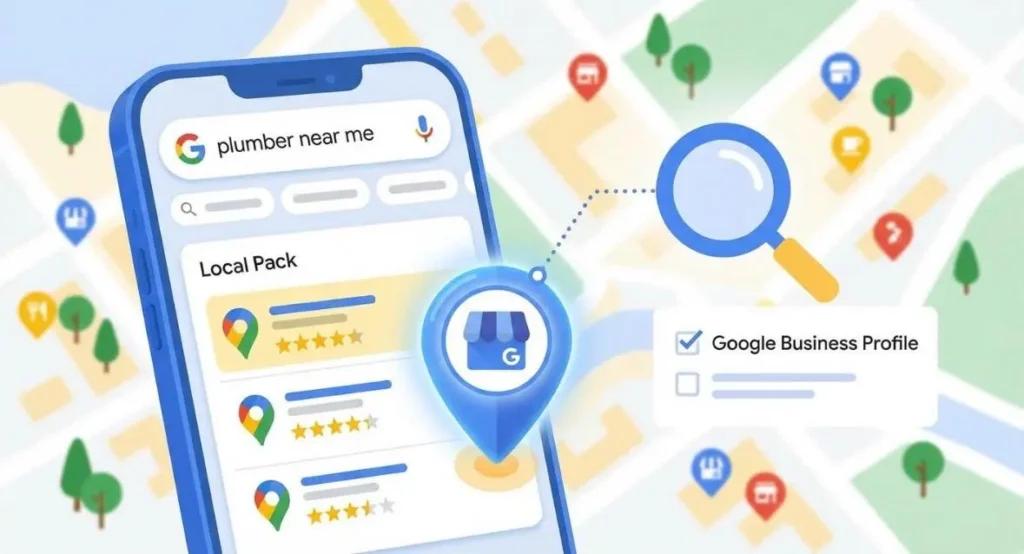
Encouraging Customer Reviews
Satisfied customers are often willing to share their experiences when asked politely.
Responding to Negative Feedback
Professional responses demonstrate accountability and customer care.
Learning From Reviews
Feedback provides valuable insights that can improve products, services, and customer experiences.
Practical Example
A local dental clinic received several reviews mentioning long waiting times. Instead of ignoring the feedback, the clinic improved scheduling procedures and responded professionally to reviewers. Within a few months, customer satisfaction improved and positive reviews increased noticeably.
Common Reputation Challenges Businesses Face
Every business may encounter reputation challenges at some point.
Negative Reviews
Unresolved complaints can impact customer confidence.
Inaccurate Business Information
Incorrect contact details or outdated listings may frustrate customers.
Social Media Criticism
Public feedback requires thoughtful and professional responses.
Reputation Crises
Unexpected events can quickly attract public attention and require immediate action.
Best Practices for Online Reputation Management
Building a strong reputation requires consistency rather than quick fixes.

Monitor Reviews Regularly
Stay informed about customer feedback across platforms.
Respond Promptly
Timely responses demonstrate professionalism and attentiveness.
Deliver Excellent Customer Experiences
The strongest reputation strategy begins with excellent service.
Publish Helpful Content
Educational content helps establish authority and trust.
Actionable Takeaway
Create a monthly reputation review process that includes checking reviews, monitoring social media mentions, updating business information, and identifying recurring customer concerns.
Mini Case Study
A regional home services company noticed a decline in inquiries despite maintaining a steady advertising budget.
A reputation audit revealed several unanswered negative reviews and inconsistent business information across online directories.
The company implemented a structured online reputation management strategy that included review monitoring, customer response protocols, and profile optimization.
Within six months, average ratings improved, customer engagement increased, and lead generation returned to previous levels.
The lesson was simple. Visibility may attract attention, but trust drives decisions.
Frequently Asked Questions
Why are ORM services important?
ORM services help businesses build trust, manage reviews, and maintain a positive public image.
How do review management services work?
They involve monitoring reviews, responding professionally, encouraging feedback, and improving customer satisfaction.
Can online reputation management increase customer trust?
Yes. Positive reviews, transparent communication, and consistent engagement can significantly improve customer confidence.
How long does reputation management take?
Reputation management is an ongoing process. While improvements can appear within a few months, long term trust is built through consistent effort.
Conclusion
Online reputation management is one of the most valuable investments a business can make in its long term success. Customers rely heavily on reviews, ratings, and online information when making decisions. A strong reputation can increase trust, strengthen credibility, and improve customer acquisition.
Whether through ORM services, brand reputation management, or review management services, businesses that actively manage their online presence are better positioned to grow and maintain customer confidence. Building a positive reputation takes time, but the benefits often extend far beyond marketing and sales.

Call To Action
If your business has not reviewed its online reputation recently, this may be the right time to start. Monitoring reviews, responding to customer feedback, and maintaining a strong digital presence can help create the trust and credibility needed for sustainable growth.